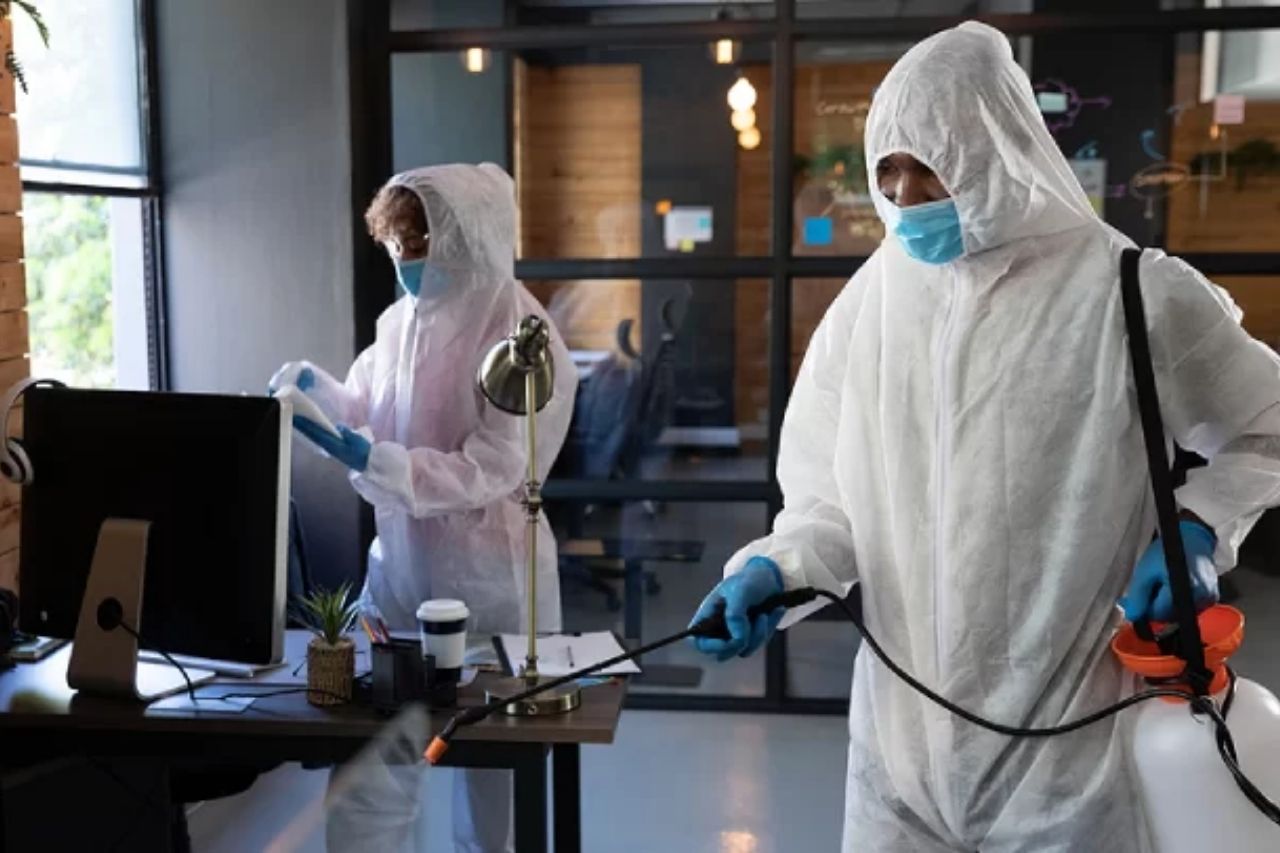
In modern office environments, ensuring employee health goes beyond ergonomic chairs, clean desks, and well-ventilated spaces. One hidden threat that often goes unnoticed is formaldehyde—a volatile organic compound (VOC) commonly found in office furnishings, flooring, wall paints, and even office equipment. Exposure to formaldehyde can lead to a range of health issues, from minor irritations to long-term respiratory problems. This makes professional office formaldehyde removal services in Singapore not just a luxury but a critical investment in workplace safety and productivity.
Understanding Formaldehyde and Its Risks
Formaldehyde is widely used in manufacturing processes, particularly in the production of pressed wood products, laminates, adhesives, carpets, and insulation materials. While these materials provide durability and aesthetic appeal, they can gradually release formaldehyde gas into the air—a process known as off-gassing.
Prolonged exposure to formaldehyde, even at low concentrations, can have negative health impacts. Common symptoms include:
- Irritation of the eyes, nose, and throat
- Persistent coughing or wheezing
- Skin rashes or irritation
- Headaches and fatigue
Long-term exposure may contribute to more serious conditions, such as respiratory diseases and, in extreme cases, certain types of cancers. In office environments, where employees spend several hours daily, controlling formaldehyde levels is crucial for maintaining a healthy workspace.
Sources of Formaldehyde in Offices
Formaldehyde is often invisible to the naked eye, making it easy to overlook in office settings. Common sources include:
- Furniture and cabinetry: Particleboard, plywood, and MDF furniture commonly incorporate formaldehyde-based glues in their construction.
- Flooring materials: Laminate flooring and some carpet backings may release formaldehyde over time.
- Wall coverings and paints: Certain paints, varnishes, and wallpapers contain VOCs, including formaldehyde.
- Office equipment: During operation, printers, photocopiers, and similar devices may emit formaldehyde into the office air.
- Cleaning products and adhesives: Some cleaning agents, glues, and sealants contain formaldehyde compounds.
By understanding where formaldehyde comes from, companies can identify vulnerable zones and take steps to safeguard staff well-being.
Why Professional Formaldehyde Removal Is Essential
Although improving ventilation and using low-VOC materials can help, these measures alone are often insufficient to fully remove formaldehyde.
Professional office formaldehyde removal services use specialized techniques and equipment to significantly reduce indoor formaldehyde levels, ensuring a safer workspace.
Benefits of professional removal include:
- Effective elimination of hidden pollutants: Professionals can detect and neutralize formaldehyde that is invisible and difficult to remove through standard cleaning methods.
- Improved indoor air quality (IAQ): Removing formaldehyde enhances air quality, reducing the risk of respiratory irritations and allergy symptoms.
- Employee health protection: A healthier office environment minimizes sick days and enhances productivity.
- Regulatory compliance: Maintaining acceptable indoor air quality levels aligns with occupational health and safety standards.

How Professional Formaldehyde Removal Works
Professional formaldehyde removal services typically involve a multi-step approach tailored to the office’s specific needs:
1. Indoor Air Quality Assessment
The first step is conducting an IAQ test, which measures formaldehyde concentrations and identifies other VOCs in the office. This provides a clear baseline and helps prioritize areas requiring immediate attention.
2. Source Identification
Technicians inspect furniture, flooring, paints, and equipment to pinpoint the sources of formaldehyde emissions. By identifying specific items contributing to off-gassing, removal strategies can be more targeted and effective.
3. Removal and Neutralization
Depending on the severity of contamination, professionals may use a combination of methods, such as:
- Chemical neutralization: Special solutions react with formaldehyde to render it harmless.
- Ozone or photocatalytic treatments: These techniques break down formaldehyde molecules into less harmful compounds.
- Air purification systems: Advanced air scrubbers and HEPA filters help cleanse the air by removing lingering VOCs.
4. Post-Treatment Verification
After removal, another IAQ test ensures formaldehyde levels are within safe limits. This verification step confirms the effectiveness of the treatment and provides peace of mind to office management and employees.
Signs Your Office May Need Formaldehyde Removal
While formaldehyde is invisible, certain indicators can suggest elevated levels in your office environment:
- Employees report frequent eye, nose, or throat irritation
- Persistent headaches or fatigue among staff
- A chemical or “new furniture” smell lingering in the workspace
- Recent installation of new furniture, carpets, or wall materials
- Complaints of increased allergic reactions or respiratory discomfort
If these signs appear, it’s important to act promptly and engage professional services to assess and remediate the issue.
Frequency of Formaldehyde Removal
The frequency of professional formaldehyde removal depends on multiple factors:
- Age of office furniture and materials: New furniture and flooring off-gas more during the first few months.
- Office layout and ventilation: Poorly ventilated spaces may accumulate formaldehyde faster.
- Employee sensitivity: Workplaces with employees prone to allergies or respiratory issues may require more frequent monitoring.
Many companies opt for annual formaldehyde assessments and removal treatments, with additional interventions following renovations or installation of new materials. Consistent maintenance helps maintain healthy air quality while safeguarding employee well-being.
Benefits of Maintaining a Formaldehyde-Free Office
Creating a low-formaldehyde office environment brings tangible advantages for both employees and businesses:
- Enhanced productivity: Employees are more comfortable and focused when working in a healthy environment.
- Reduced sick days: Minimizing exposure to irritants decreases the likelihood of illness-related absences.
- Positive company image: Prioritizing employee health demonstrates corporate responsibility and care.
- Long-term cost savings: Preventive measures reduce the need for medical claims, compensation, and frequent replacement of office materials.

Combining Formaldehyde Removal with Other Office Services
For optimal results, many companies integrate formaldehyde removal with broader office hygiene and IAQ initiatives, such as:
- Regular carpet and upholstery cleaning
- Aircon and HVAC maintenance
- Mold and mildew remediation
- Office disinfection and sanitation
A holistic approach ensures that indoor pollutants are effectively controlled, and employees enjoy a consistently safe and comfortable work environment.
Choosing the Right Professional Service Provider
Selecting a reliable formaldehyde removal provider is critical. Key factors to consider include:
- Experience and certifications: Look for technicians trained in indoor air quality assessment and formaldehyde remediation.
- Advanced equipment: Ensure the provider uses high-quality air purifiers, chemical neutralizers, and testing tools.
- Customized solutions: Each office is unique, so a tailored approach is essential.
- Post-treatment verification: Confirm that the service includes IAQ testing to validate results.
- Reputation and reviews: Prioritize companies with proven results and a history of positive customer experiences.
Investing in a professional service ensures that removal is thorough, safe, and effective.
Conclusion
Formaldehyde exposure in offices is a hidden risk that can impact employee health, productivity, and overall workplace comfort. While ventilation and low-VOC materials can help minimize formaldehyde exposure, engaging professional removal services in Singapore ensures the most reliable solution.
By conducting regular indoor air quality assessments, identifying emission sources, and applying specialized removal techniques, businesses can maintain a safe, healthy, and productive office environment. Regular formaldehyde removal not only protects employees but also strengthens the company’s image as a responsible and caring employer.
In today’s competitive corporate landscape, prioritizing employee health is no longer optional—it’s a strategic necessity. Investing in professional formaldehyde removal ensures your office is a space where employees can thrive, free from the hidden dangers of indoor pollutants.